Visualising cell signalling in action
Led by Professor Andrew M. Ellisdon at Monash University, the Ellisdon Lab studies structural biology, membrane protein signalling, GPCR biology, nutrient sensing and cytokine signalling. We use cryo-electron microscopy, protein biochemistry, cell biology and AI-enabled protein design to understand the molecular machines that control cell behaviour in cancer, metabolic and immune disease.
Research
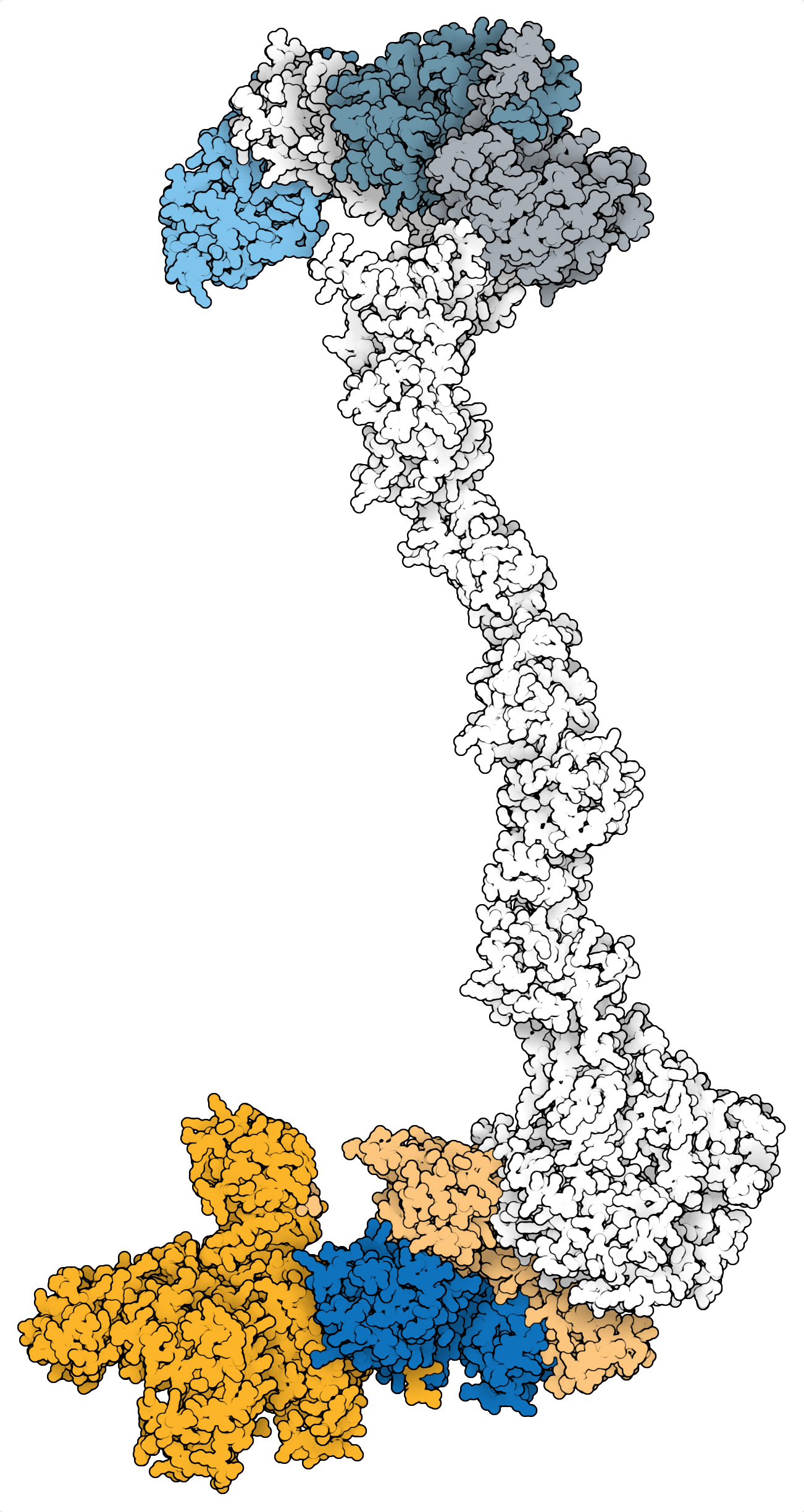
How cells sense nutrients and control growth
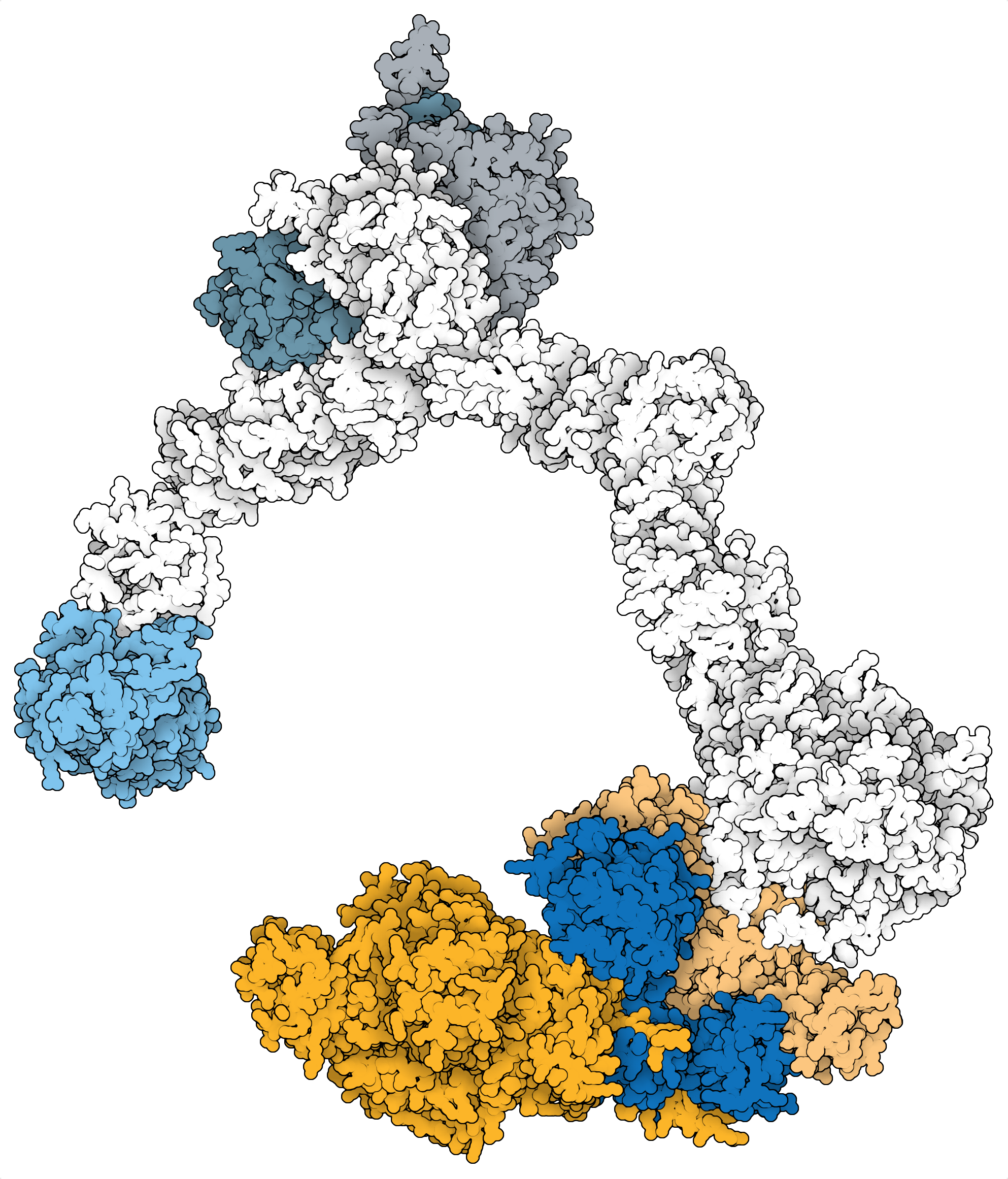
Cells constantly measure nutrient availability and adjust growth, metabolism and recycling pathways accordingly. We study how these decisions are organised at lysosomes, specialised organelles that act as both recycling centres and signalling platforms inside the cell.
We use cryo-EM, protein biochemistry, reconstitution of purified complexes, cross-linking mass spectrometry, proteomics, live-cell imaging and computational modelling to understand how nutrient-sensing protein supercomplexes assemble and switch between active and inactive states.
GPCRs in metabolism
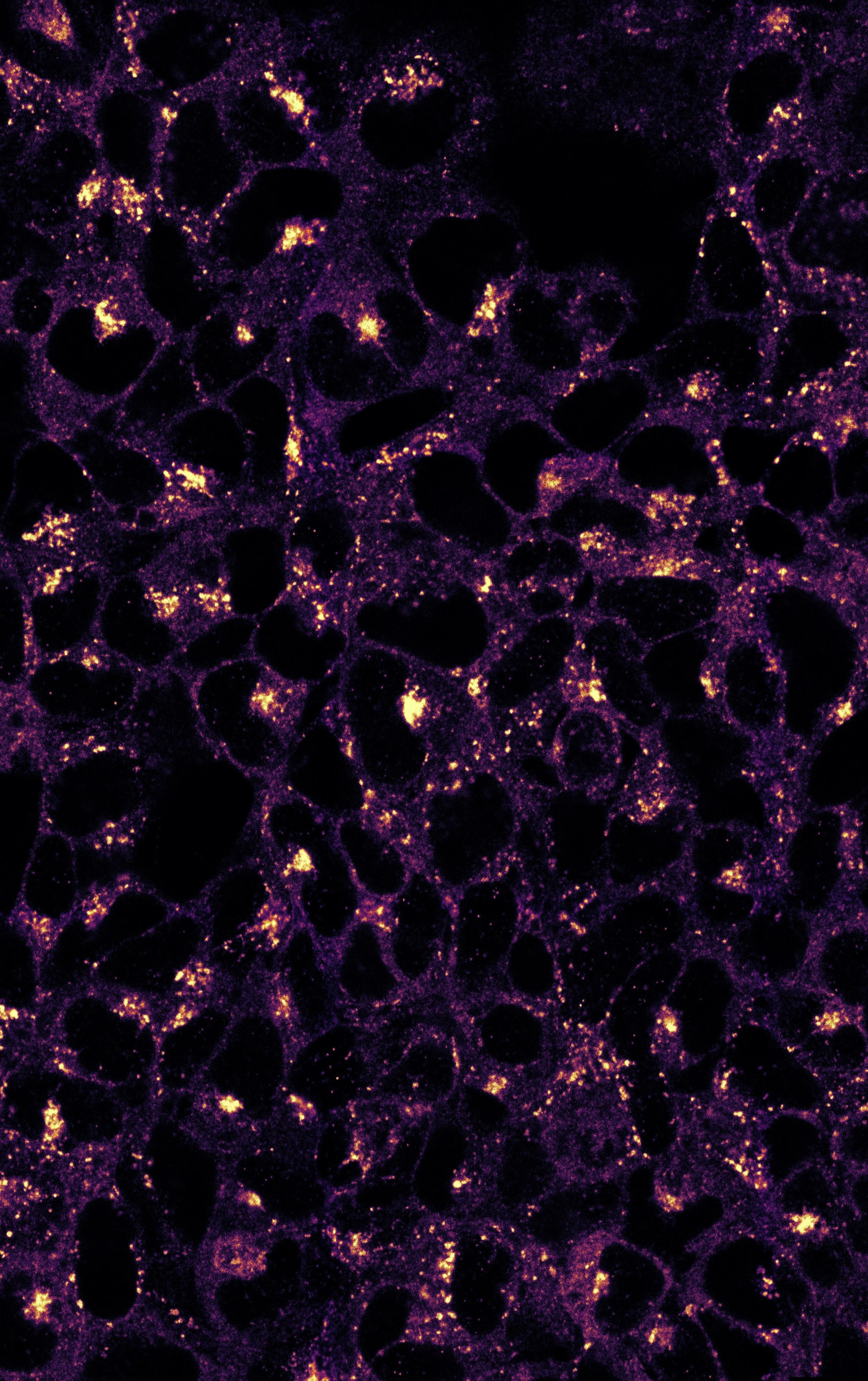
We investigate how GPCRs and GPCR-like proteins control metabolic signalling from inside the cell. A major focus is GPR155/LYCHOS, a cholesterol-responsive lysosomal membrane protein linked to mTORC1 signalling, while our broader goal is to understand how intracellular GPCR-like proteins act as metabolic sensors across diverse nutrient-sensing pathways.
AI-enabled protein design for new therapeutics
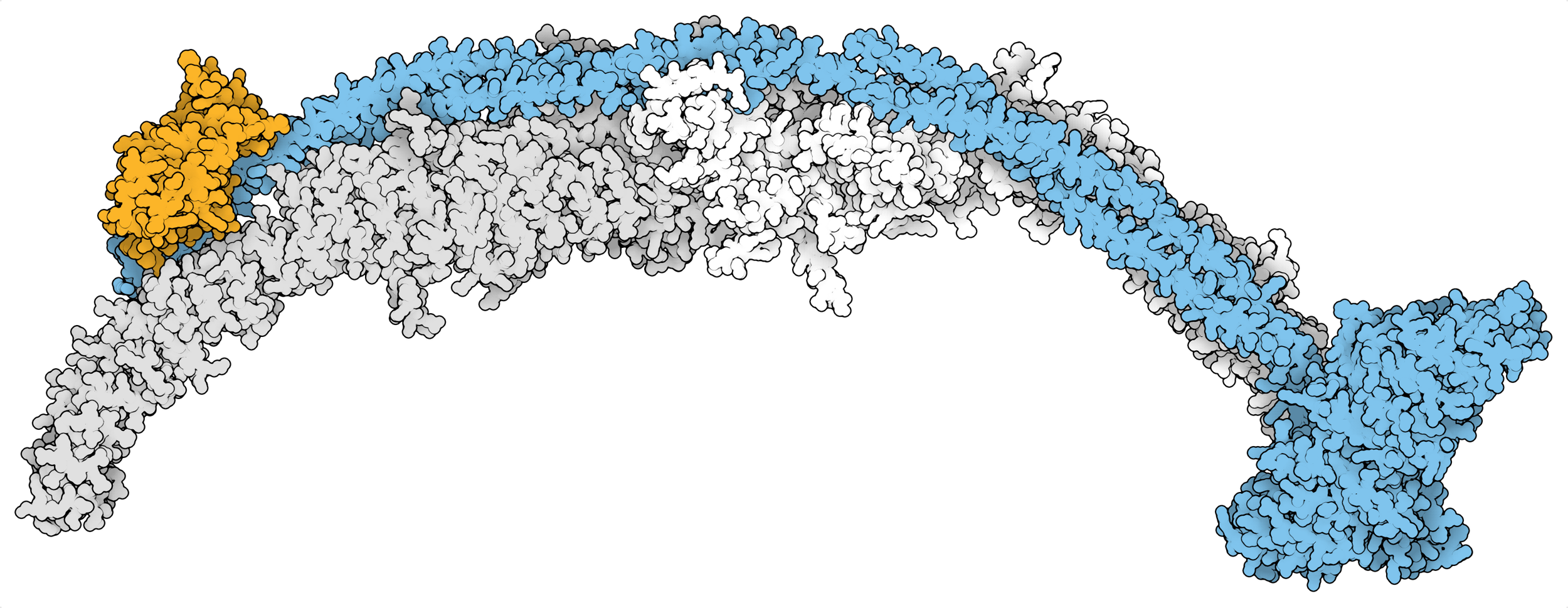
We use structural biology, protein engineering and AI-enabled design to create new protein-based therapeutics. A major focus is designing cytokine-inspired biologics and small protein binders that target IL-1 family receptor pathways, with broader applications across inflammatory disease, immunity and other signalling systems.
Latest news
Our LYCHOS research was selected for Monash University’s inaugural Top Ten Discoveries and Impacts Showcase, recognising it as one of the University’s standout research achievements of 2025.
The Ellisdon Lab is a multidisciplinary structural biology research team at the Biomedicine Discovery Institute, Monash University. Our work is centred on cryo-electron microscopy, protein biochemistry and structure-guided discovery, spanning protein complexes, membrane proteins, live-cell signalling, imaging and computational protein design.
Recent papers
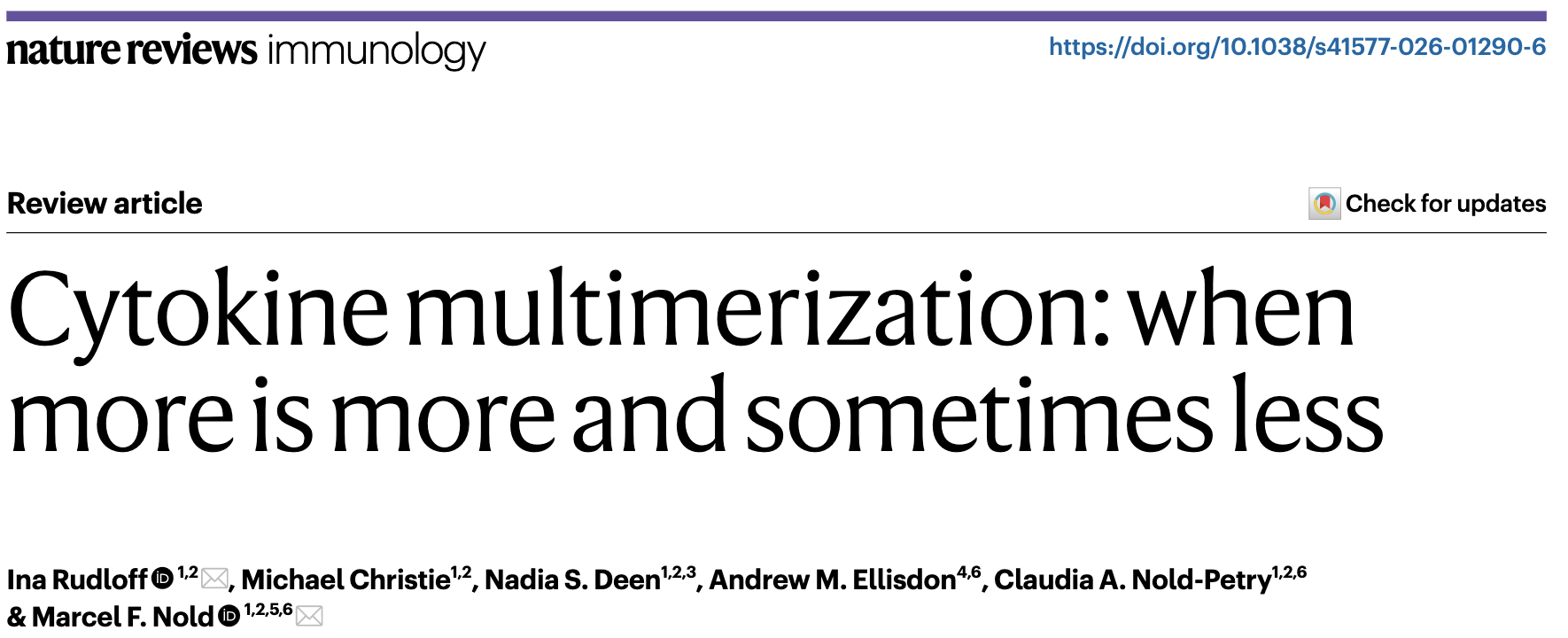
Cytokine Multimers
Nature Reviews Immunology, 2026
Explored how cytokine dimers and higher-order assemblies regulate immune signalling, signalling bias and therapeutic opportunities.
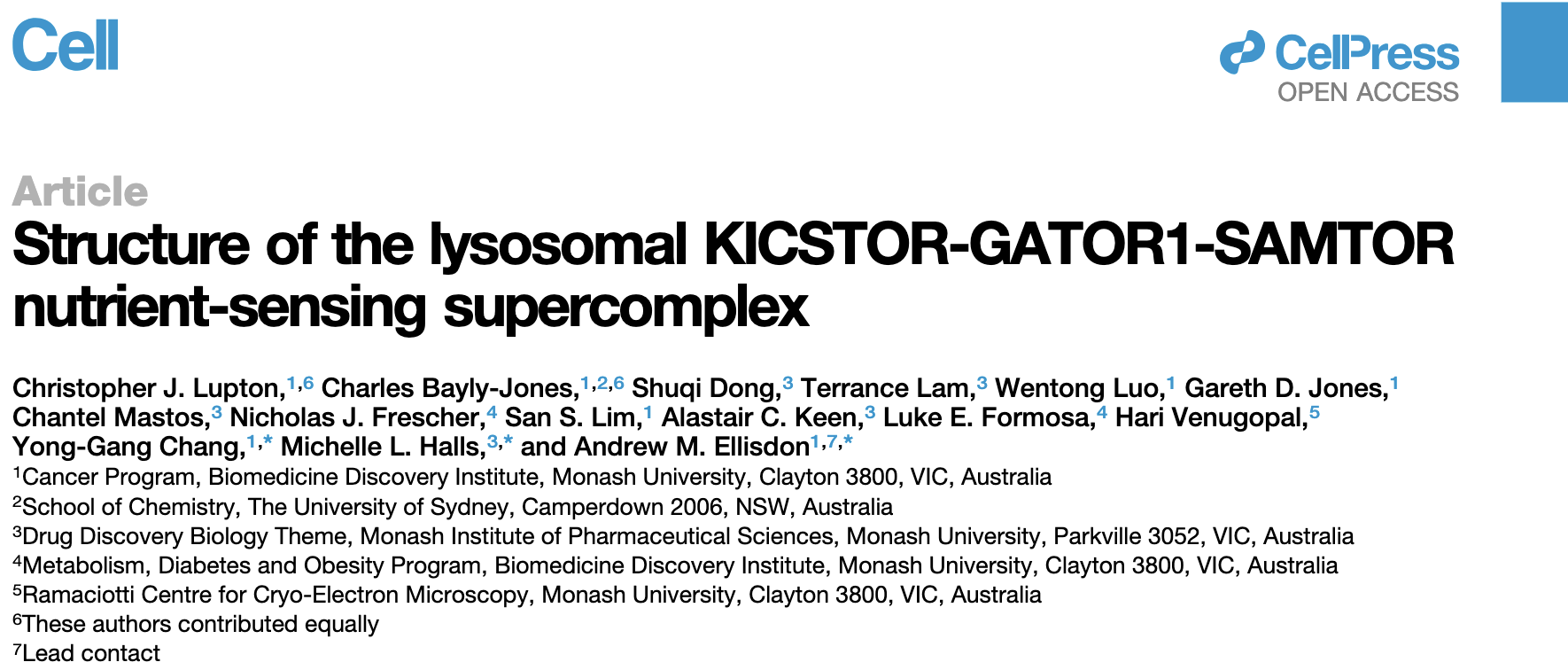
KICSTOR-GATOR1
Cell, 2026
Defined the architecture of a lysosomal nutrient-sensing supercomplex that controls Rag GTPase signalling and mTORC1 activation.
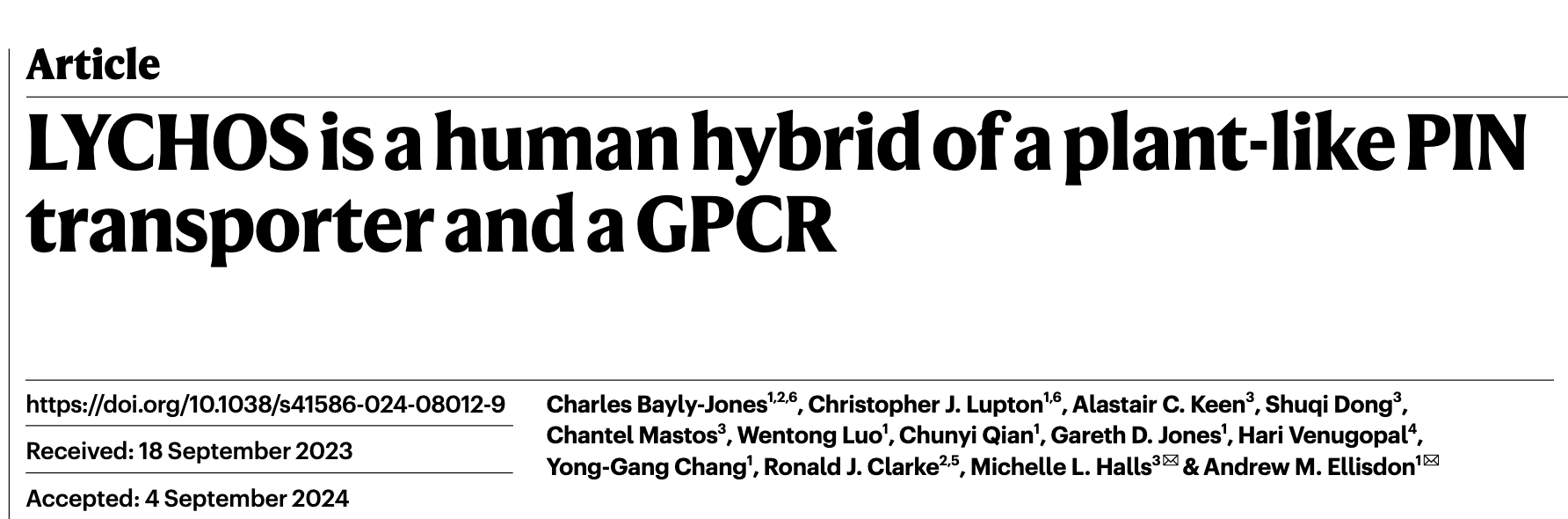
LYCHOS and cholesterol sensing
Nature, 2024
Revealed LYCHOS/GPR155 as a cholesterol-responsive lysosomal membrane protein that links a plant-like PIN transporter fold to GPCR biology and mTORC1 signalling.
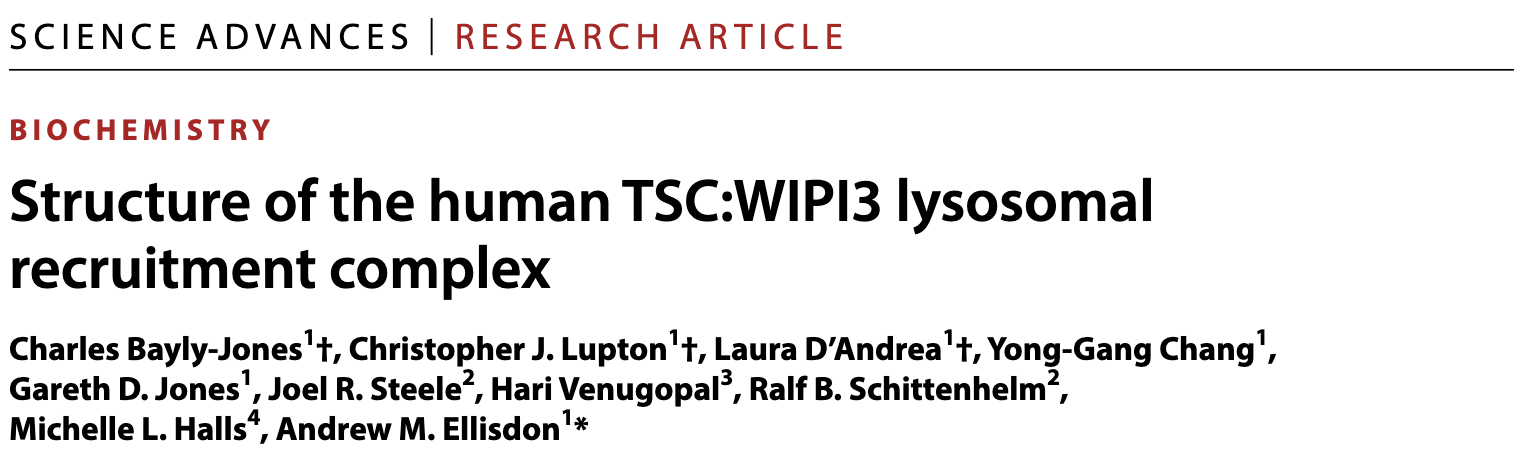
TSC docking at the lysosome
Science Advances, 2024
Showed how WIPI3 and phosphoinositide signalling recruit the TSC complex to lysosomes to inhibit mTORC1.
Lab members
-
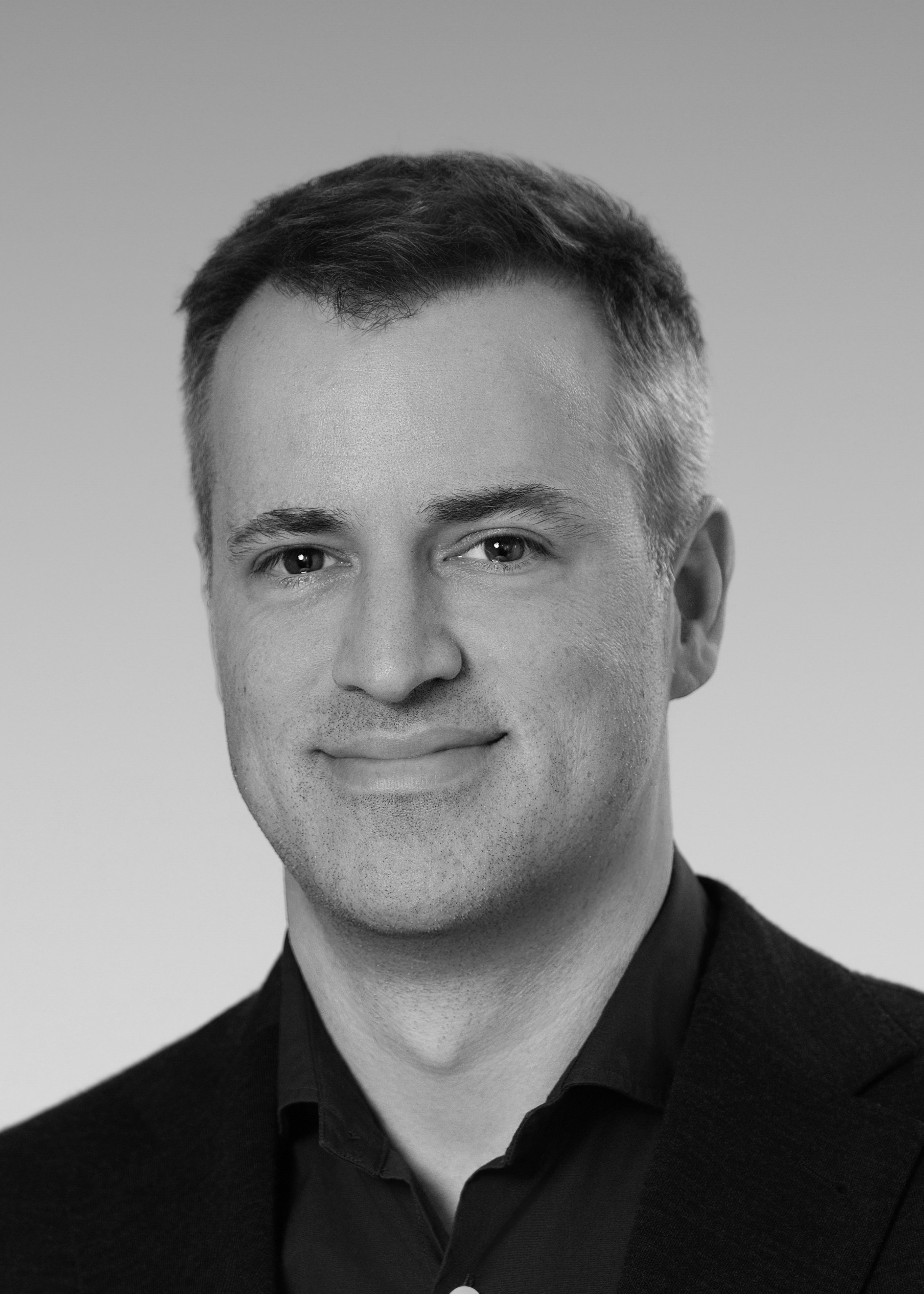
Prof Andrew M Ellisdon
Laboratory head
-
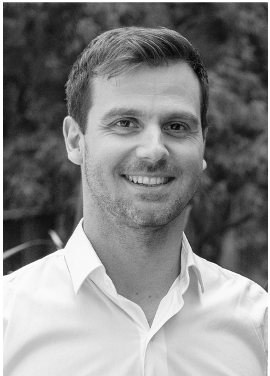
Dr Christopher Lupton
Postdoctoral Research Fellow
-
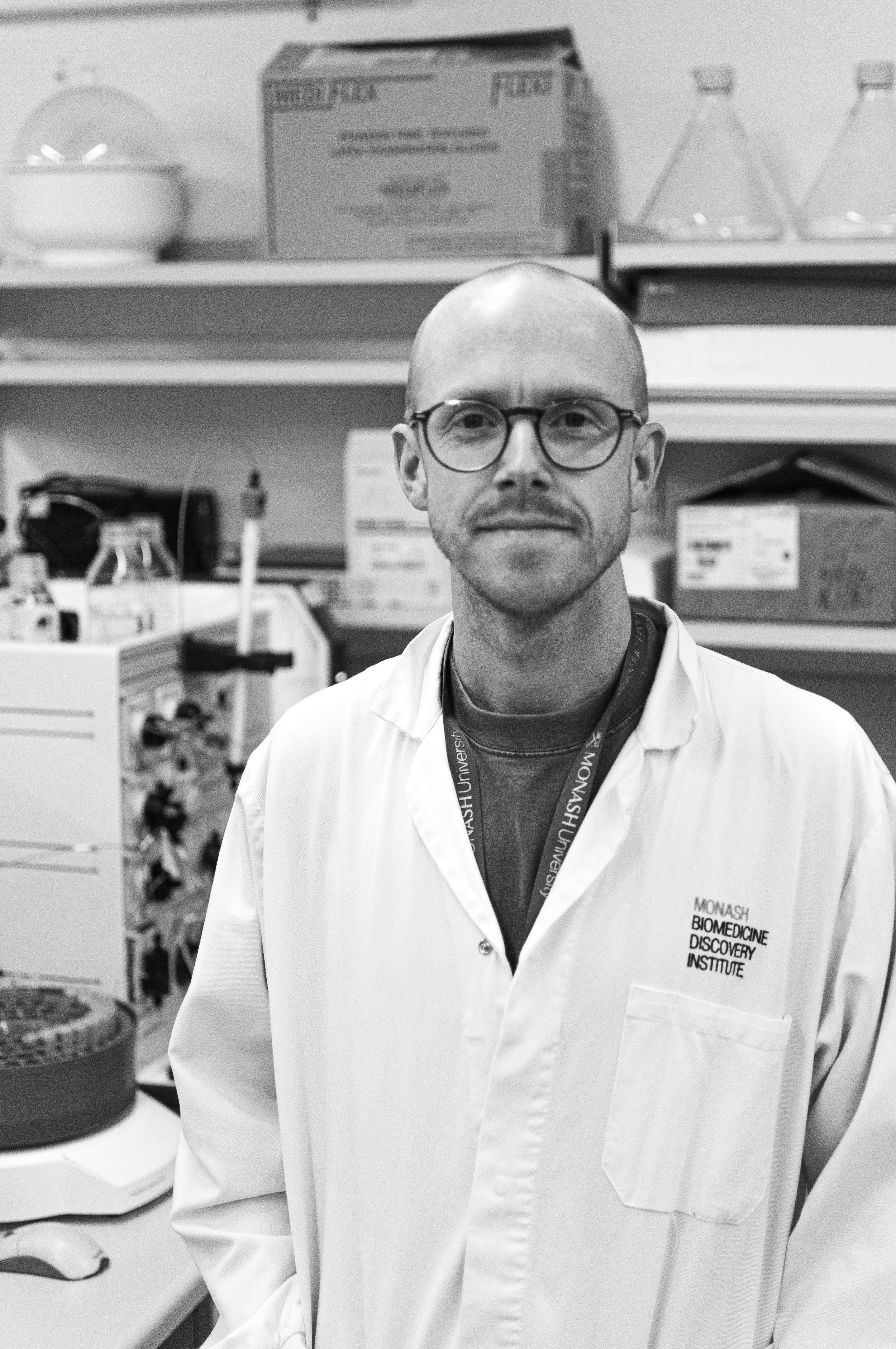
Dr Tom Cotton
Postdoctoral Research Fellow
-
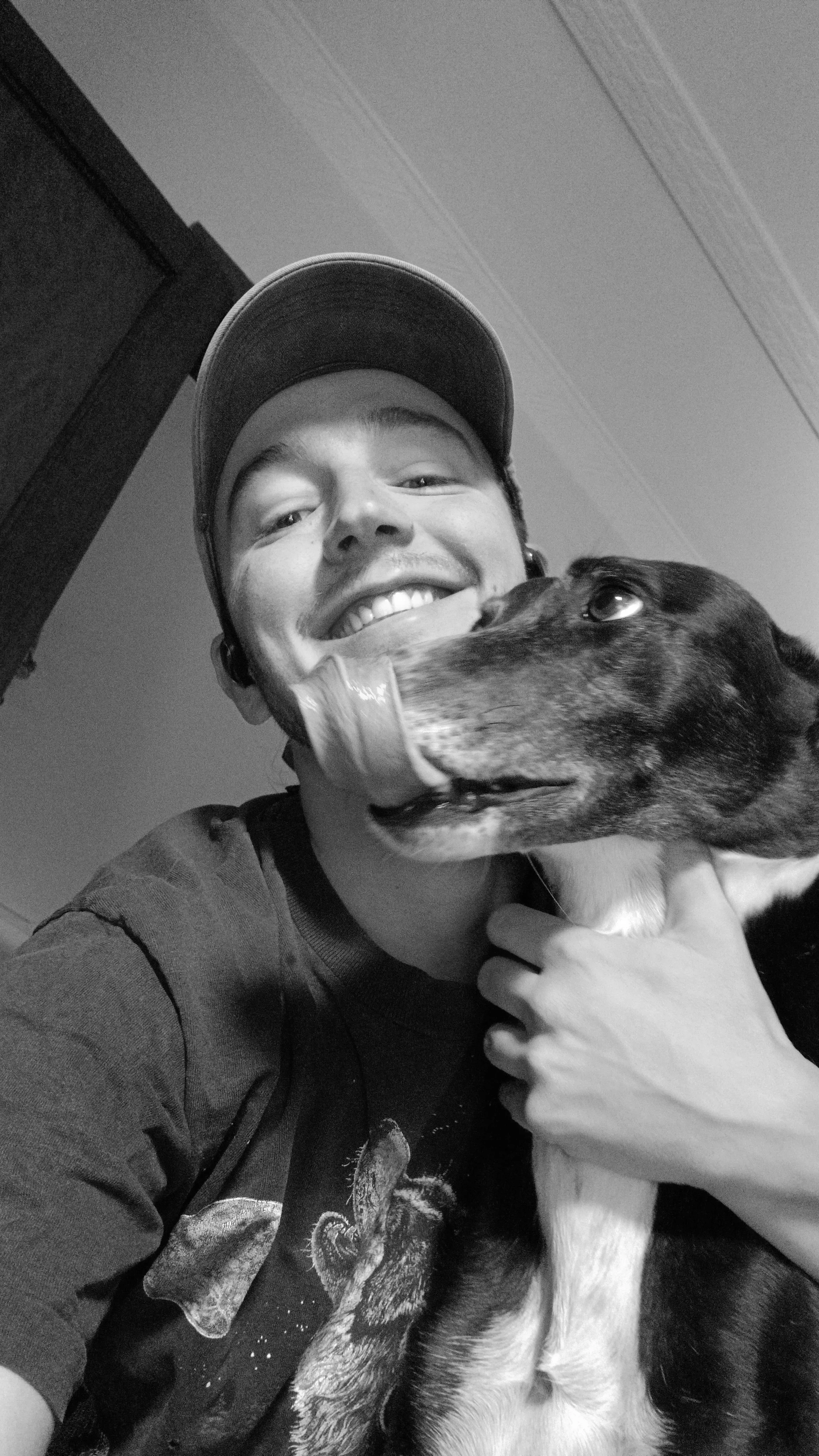
Gareth Jones
PhD Candidate
Co-supervised with Dr Christopher Lupton
-
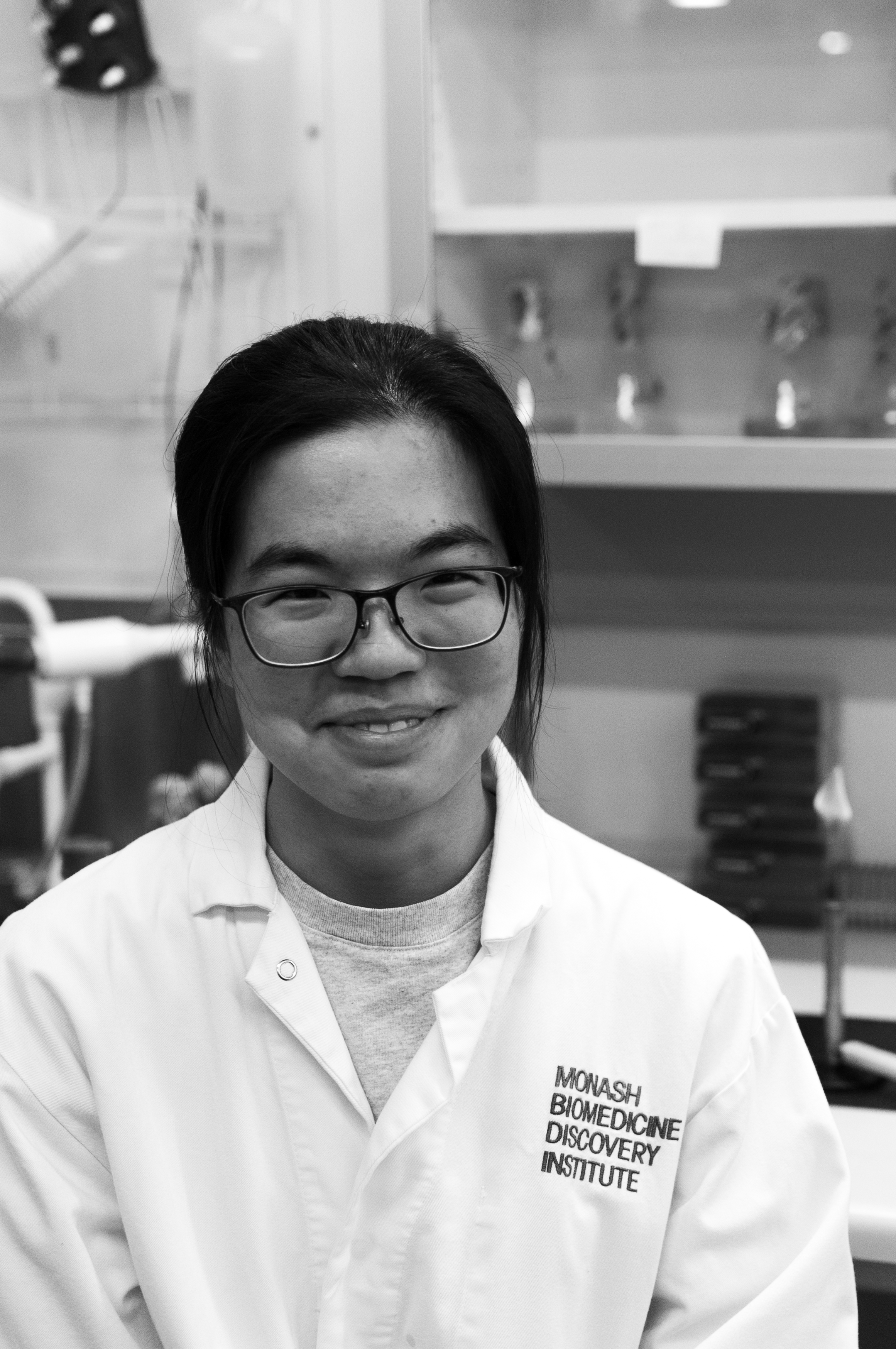
Wentong Luo
PhD Candidate
Co-supervised with Dr Charles Bayly-Jones
-
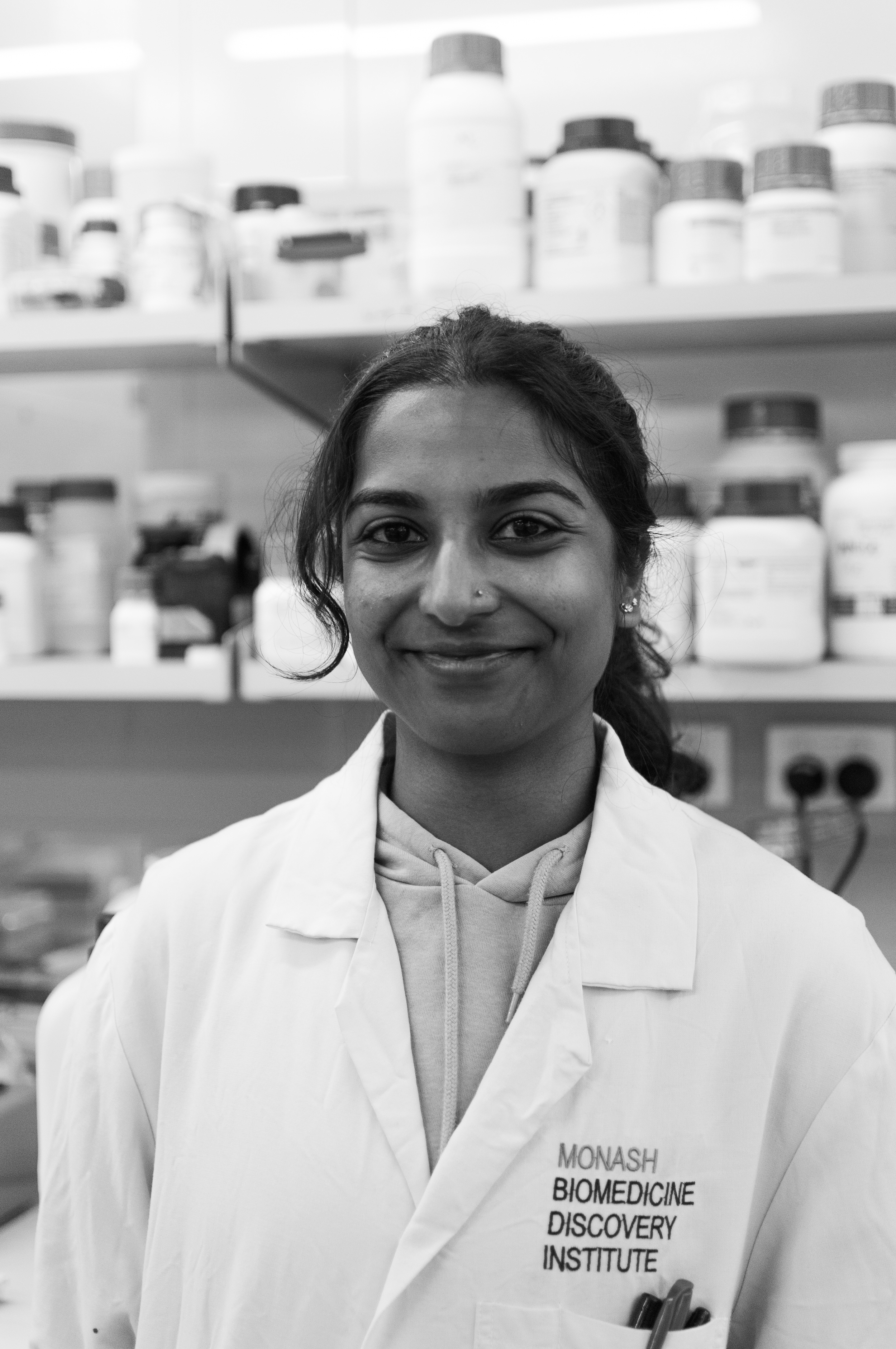
Taru Panjikar
PhD Candidate
Co-supervised with Dr Charles Bayly-Jones
-
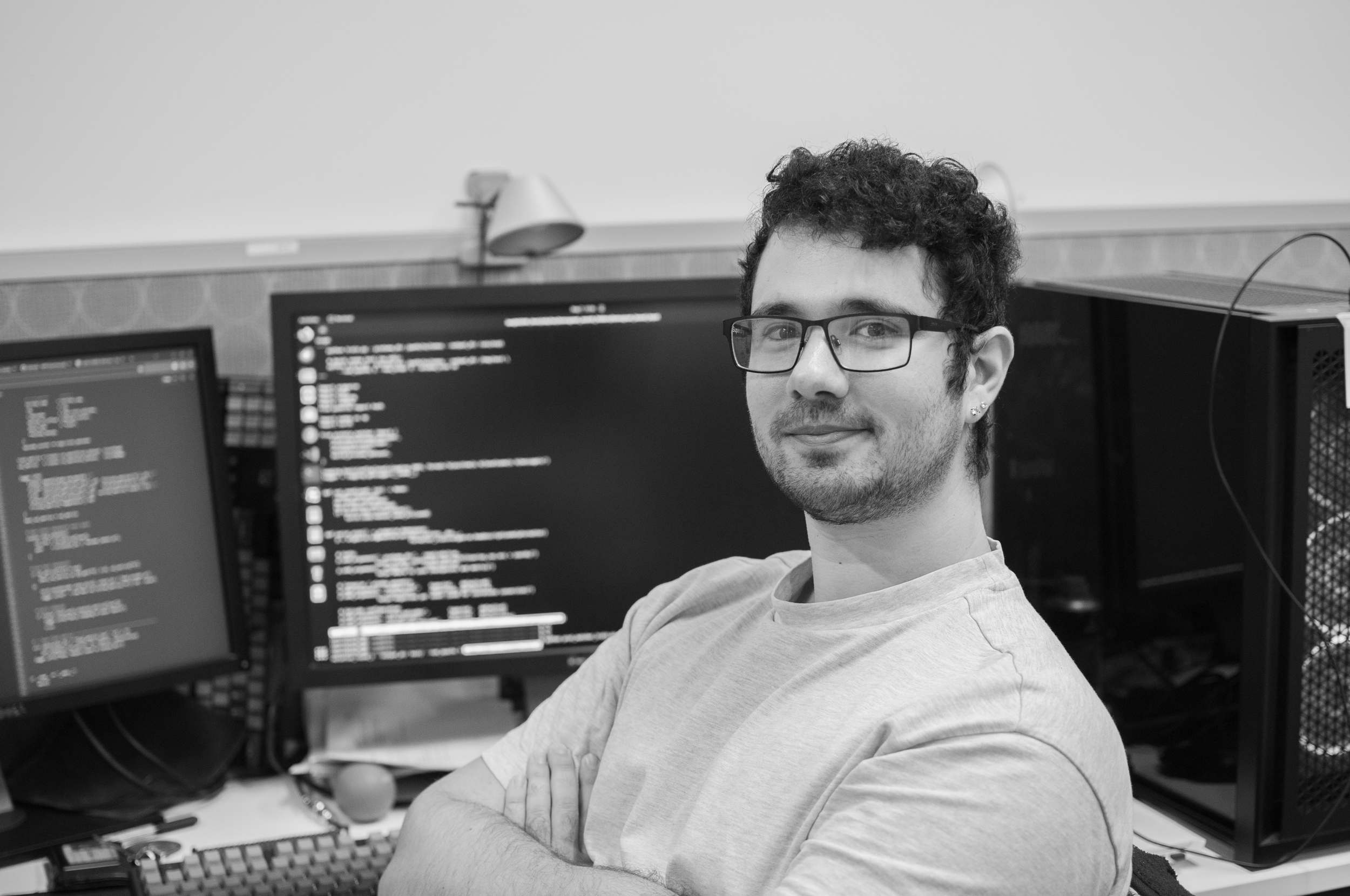
Ian Costa Paixao
PhD Candidate
Co-supervised with Dr Charles Bayly-Jones
We are always interested in hearing from motivated students and researchers who want to work at the interface of structural biology, cell signalling and therapeutic discovery.
Honours and PhD students
Projects are available across cryo-EM, protein biochemistry, nutrient sensing, lysosomal signalling, cytokine biology, membrane proteins, cancer signalling and AI-enabled protein design.
Postdoctoral researchers and fellowship applicants
We welcome enquiries from researchers with expertise in structural biology, cryo-EM, protein biochemistry, molecular and cell biology, imaging, computational biology or protein design.
We are happy to support competitive fellowship applications.
How to apply
Please send a CV, academic transcript if relevant, and a short paragraph describing your research interests to Professor Andrew Ellisdon at andrew.ellisdon@monash.edu.
Opportunities